

The Science Behind CUE1+
CUE1+ utilises vibrotactile stimulation and tactile cueing, two extensively researched mechanisms of action that have the potential to support motor function in people with Parkinson’s. Building on this research, CUE1+ offers a non-invasive, drug-free option that can be used as an additional tool alongside your existing treatment plan.
Watch the video
Science
Proven Techniques.
Practical Application.
Studies have shown that rhythmic sensory cues, especially when delivered as vibration can improve movement initiation, reduce freezing of gait, and enhance walking speed and rhythm. CUE1+ applies these methods in a wearable format designed for everyday use.
Research
Explore the Latest Clinical Studies
Discover the scientific foundation behind CUE1+. Our research-backed approach ensures that every feature is designed to enhance your experience.
What the Evidence Tells Us
How It Works
Step by Step
Discover how CUE1+ supports movement through a clear visual breakdown. This step-by-step guide shows:
- Where to place the device on your chest.
- How gentle vibrations and cueing stimulate sensory pathways.
- Dedicated community support to ensure the best outcomes.
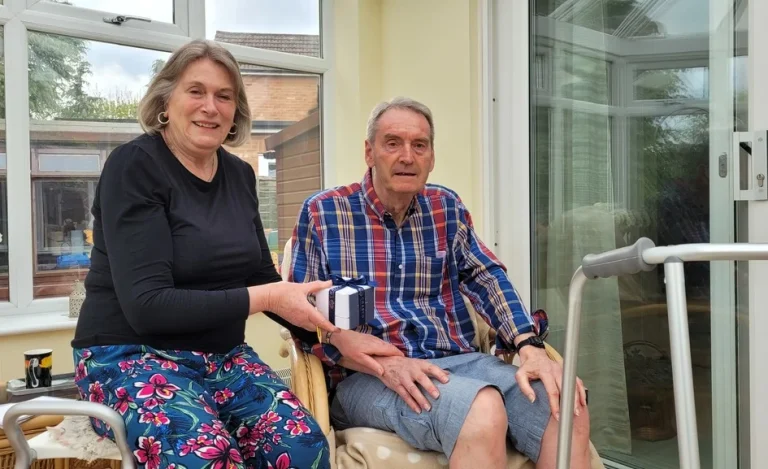
“We know that the CUE1 is not a cure for Parkinson’s and Tony still needs his medication; but we can now see some light at the end of what was a very dark tunnel. We feel the CUE1 might just give us our lives back.”
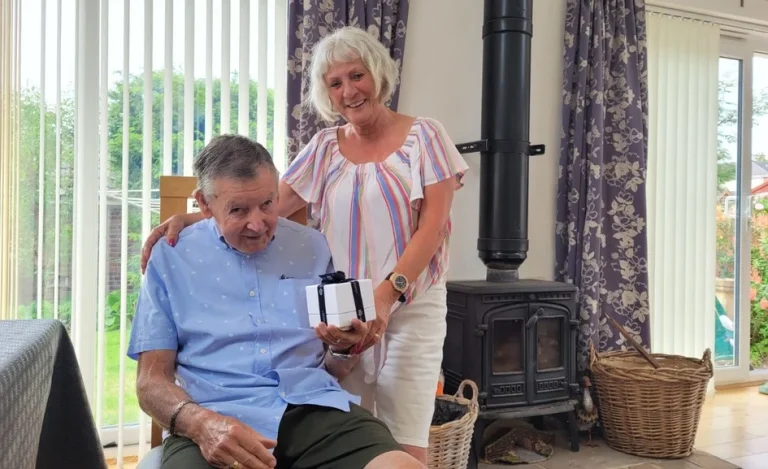
“I would spend so much time frozen, and needed Barbara to help me become mobile again. Now that I can make myself mobile, my wife has more time for other things. The members of the Charco team are always available to offer advice, which is so helpful.”
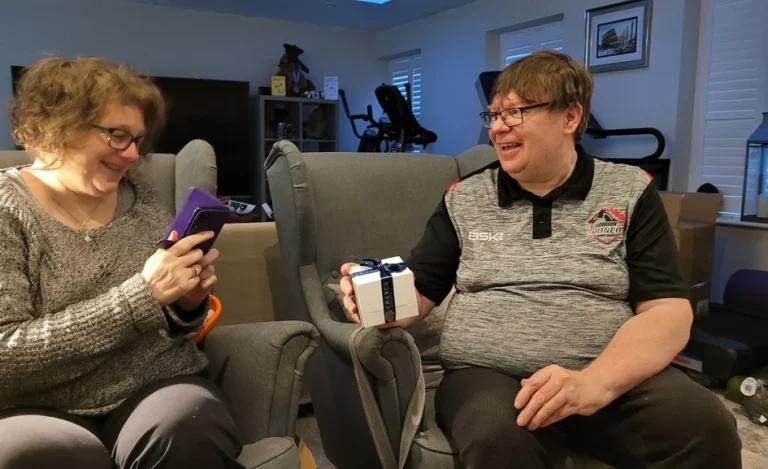
“I feel more flexible and can move better, which has improved my quality of life. Richard. The sun is shining, and Richard is doing some exercise with the CUE on. His gait and posture, plus my anxiety levels, are much improved. Helen”
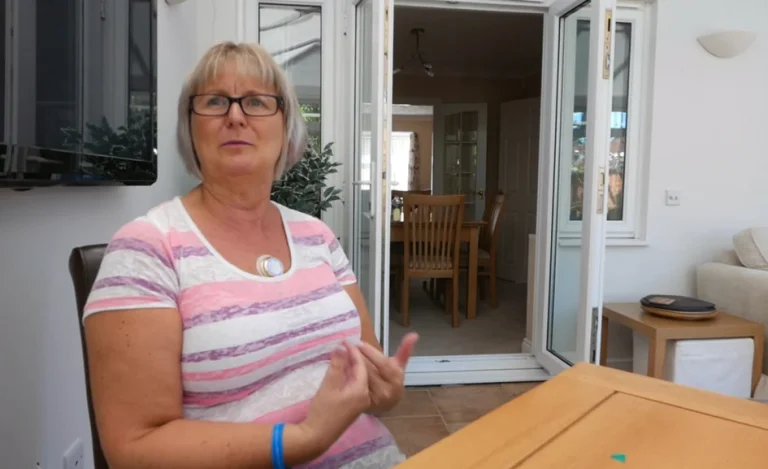
“Team Charco have been so passionate about their product, and always believing that they will achieve their goal. For Charco there are no barriers. They aim to succeed, and make a real difference to so many lives. For me, the CUE1 has given me hope, and put a smile back on my face.”
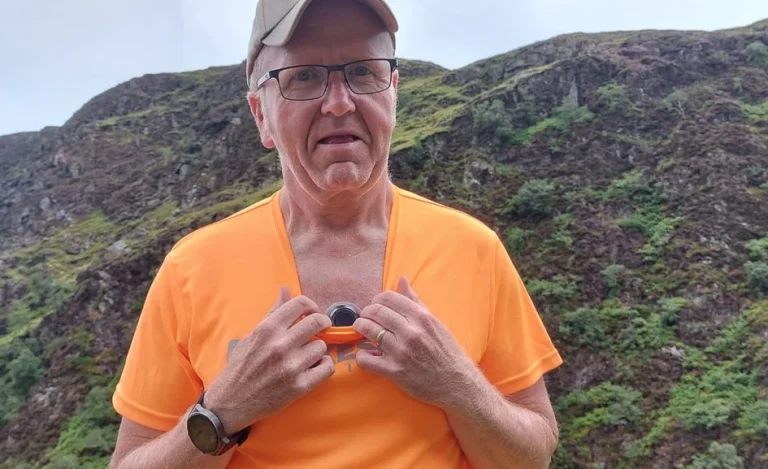
“I used to freeze pretty often even when just walking to the shops, and I didn’t go out socially much. This has all changed due to the CUE1. I hardly freeze at all any more. It has given me the confidence to act like a real person again, and go out and enjoy myself doing anything I want to do. Thanks Charco.”
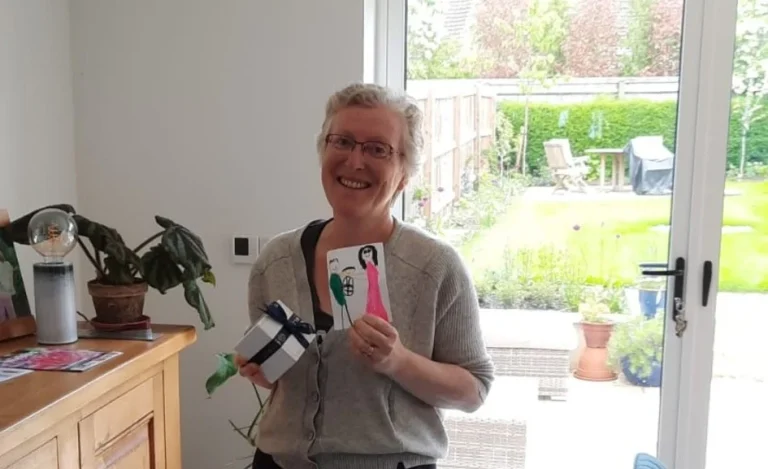
“The rigidity in my body was the massive change. I’m more comfortable sitting down in the car, and have started to drive more. My writing’s also definitely improved; even though my arm’s still shaking, the tremor goes away when I write.”
Ready to Move with Confidence Again?
Discover how our innovative solutions can enhance the lives of those living with Parkinson’s.